
Quantify Neurodegenerative Biomarkers with Your Existing Molecular Workflow
Simplify Alzheimer's Disease (AD) blood biomarker quantification with SPLASH™ . Explore how our easy-to-use, lower-cost workflow quantifies protein biomarkers on standard qPCR instruments
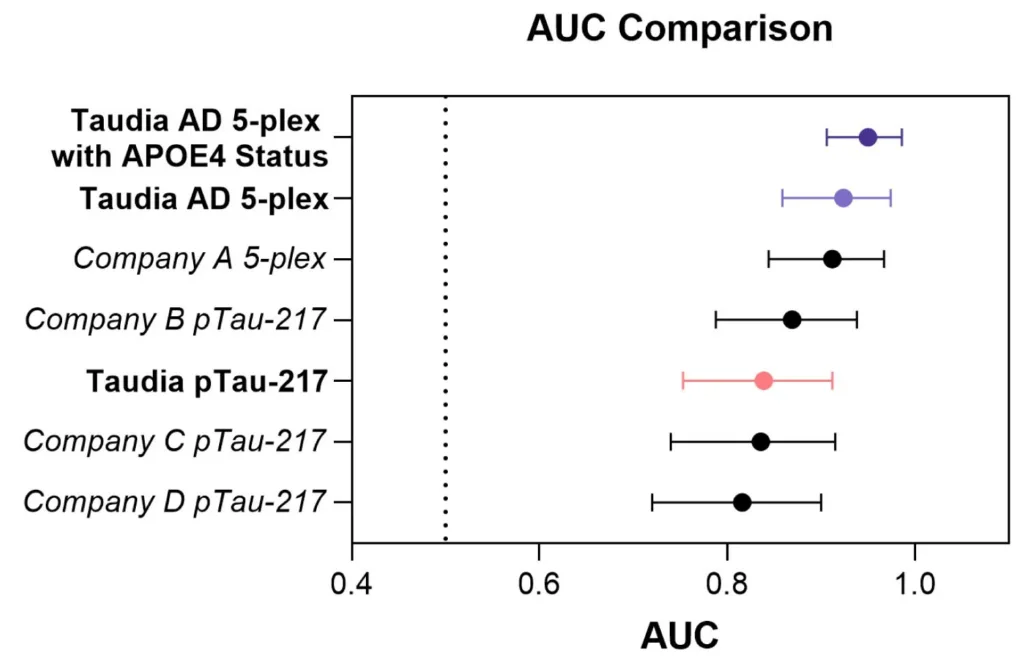
Biomarkers play critical roles in earlier diagnosis, disease monitoring, and patient screening
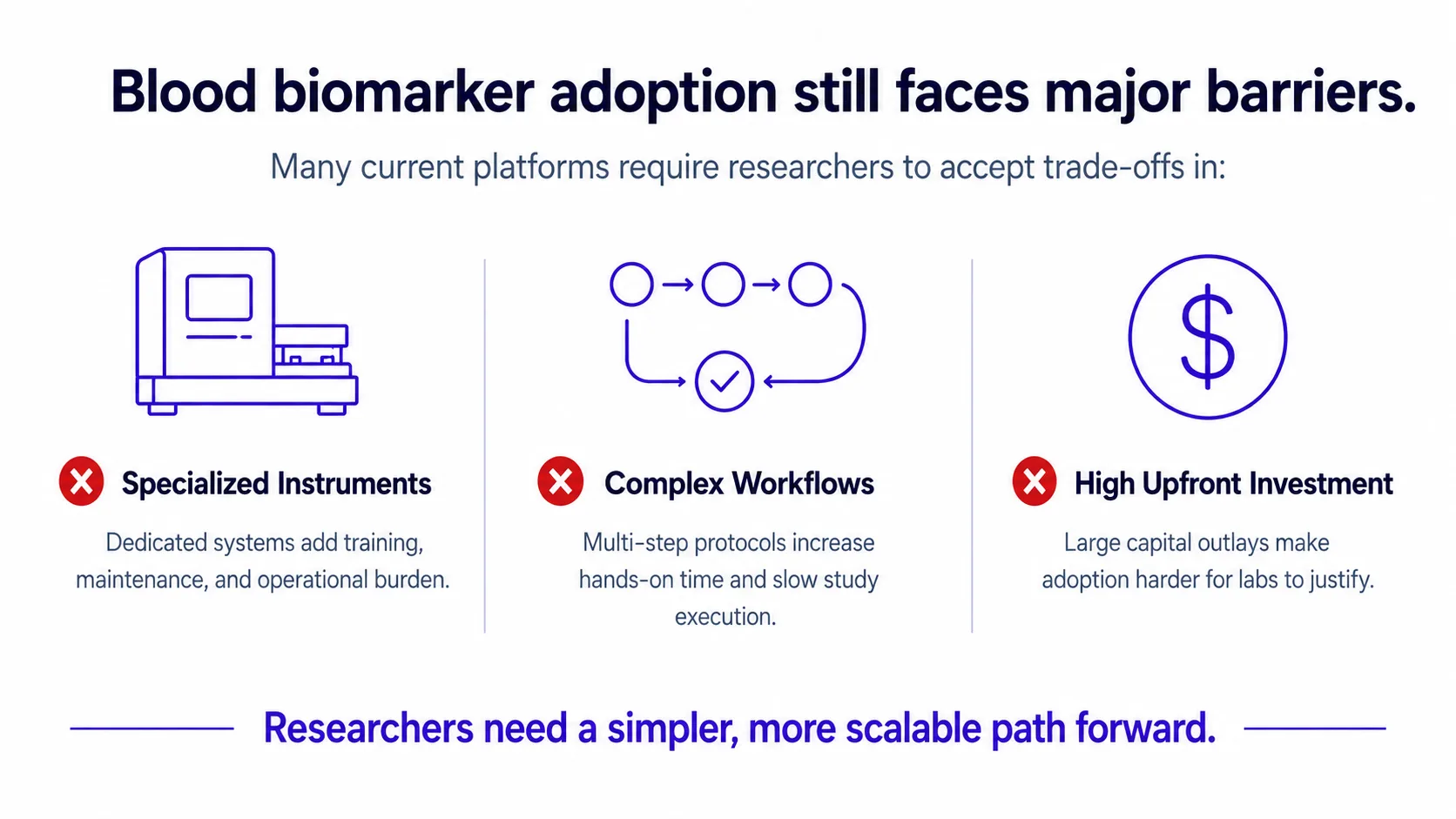
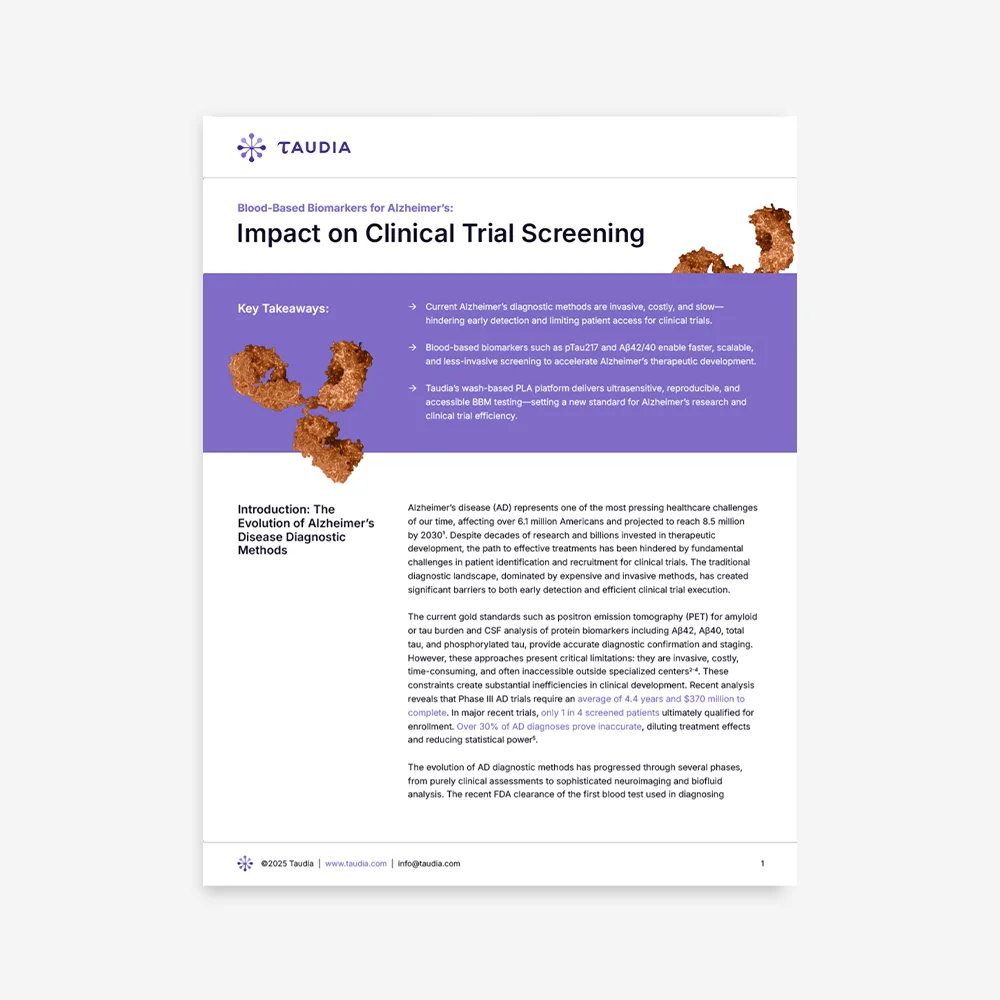
PET imaging and CSF analysis provide valuable insight into Alzheimer’s biology but are costly, invasive, and difficult to scale. Blood-based biomarkers offer a faster, more accessible way to generate meaningful data across larger studies. Yet many blood biomarker platforms require specialized instruments, complex workflows, and significant upfront investment, creating new barriers to adoption and scale.
Introducing SPLASH™ Kits: the easiest, most scalable workflow for reliable ultrasensitive protein quantitation
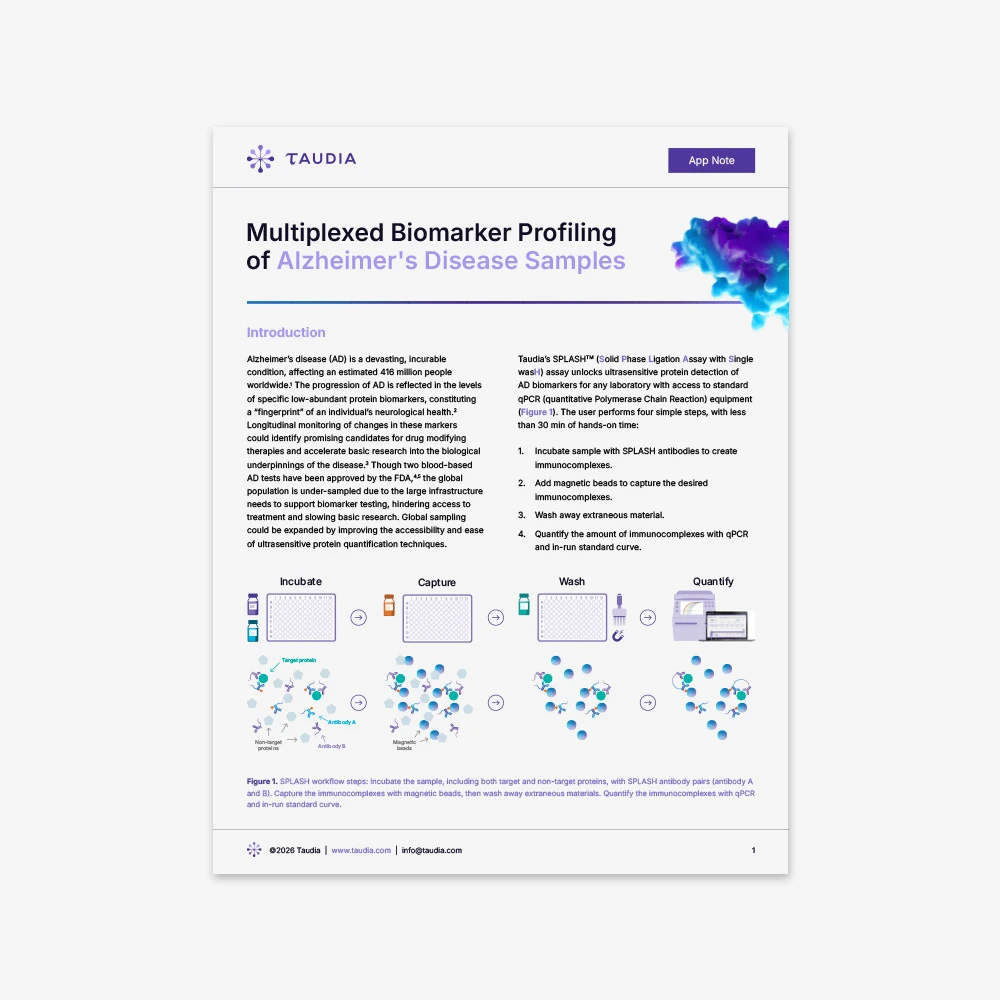
Researchers need simple and reliable assays for quantifying neurodegenerative disease biomarkers. Our SPLASH (Solid Phase Ligation Assay with Single wasH) kit works on any qPCR instrument, giving laboratories of all sizes a reliable solution for ultrasensitive protein quantitation. By leveraging the existing qPCR infrastructure, scientists all around the world can get started on quantifying their biomarkers today.
High quality data with the easiest ultrasensitive workflow
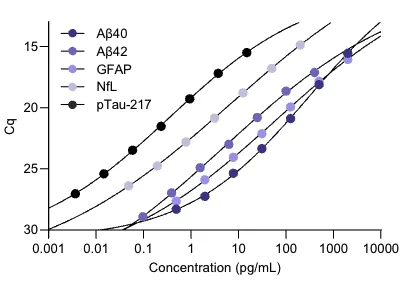
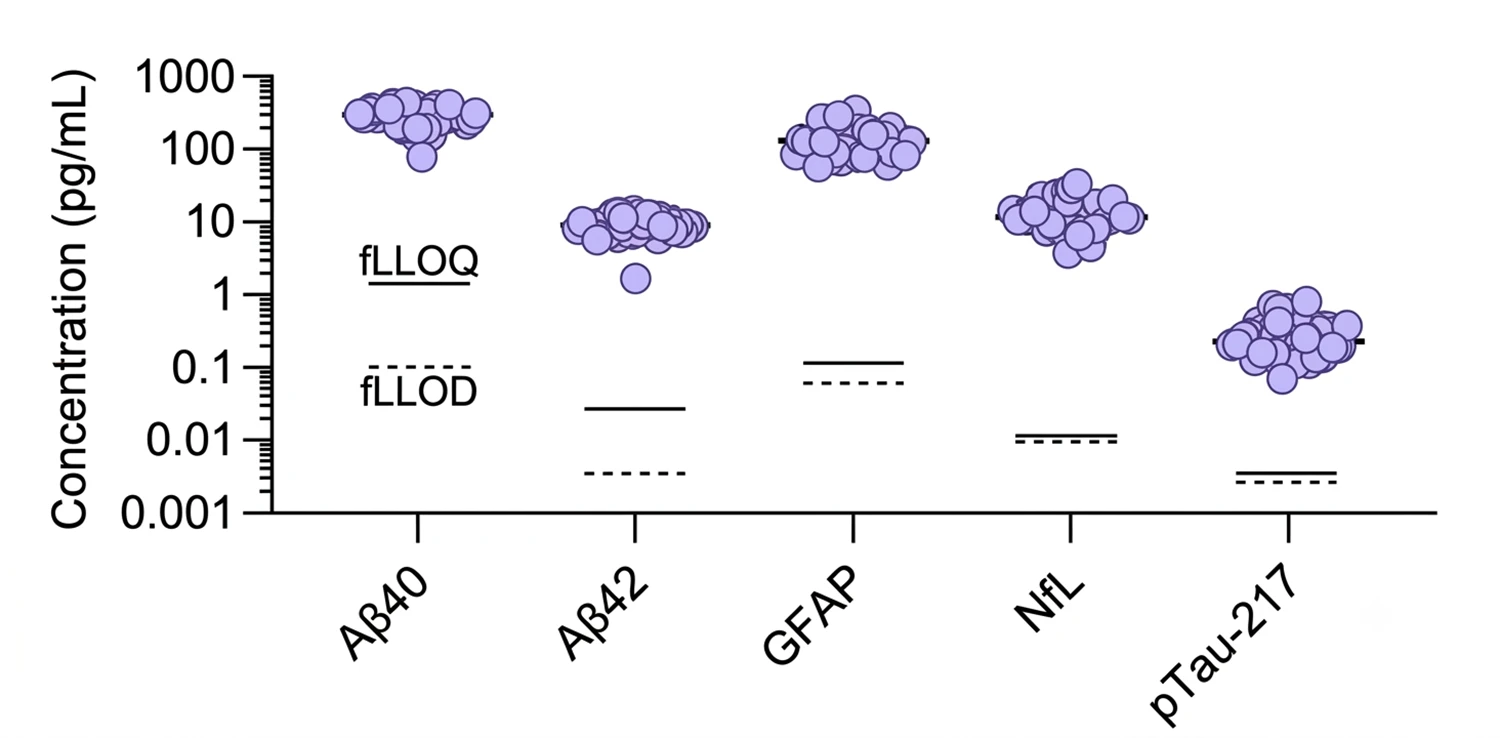
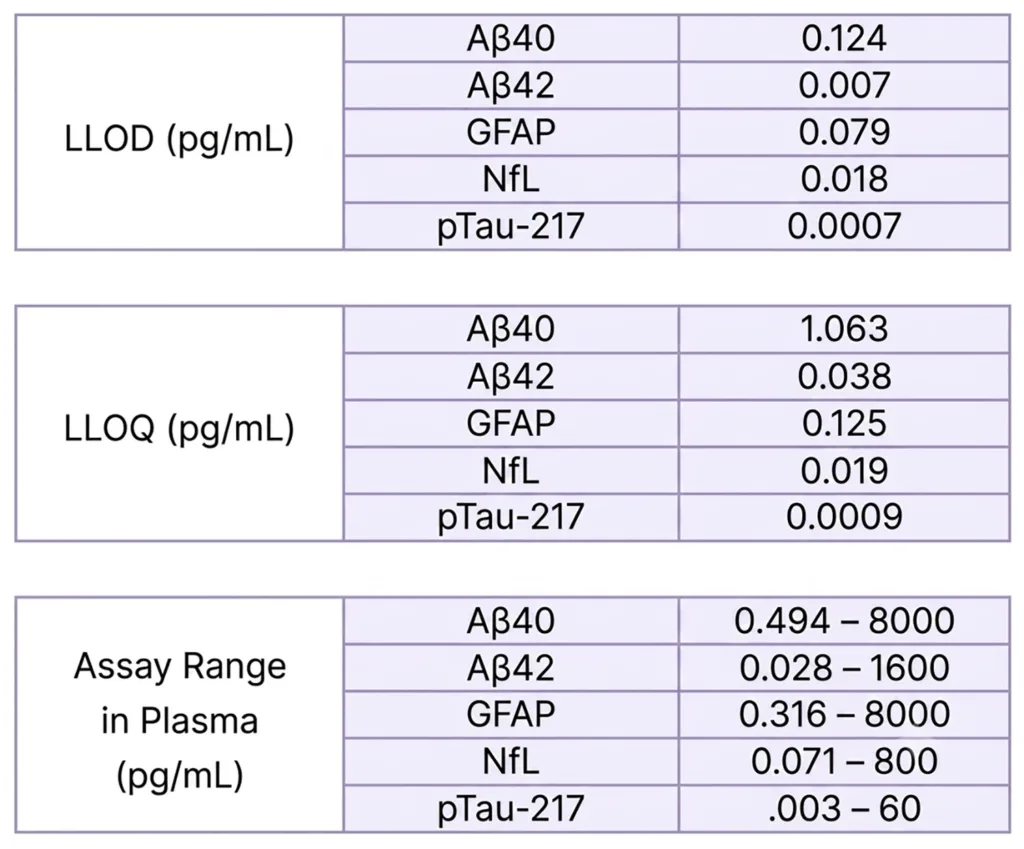
Wide dynamic range to quantify multiple biomarkers together
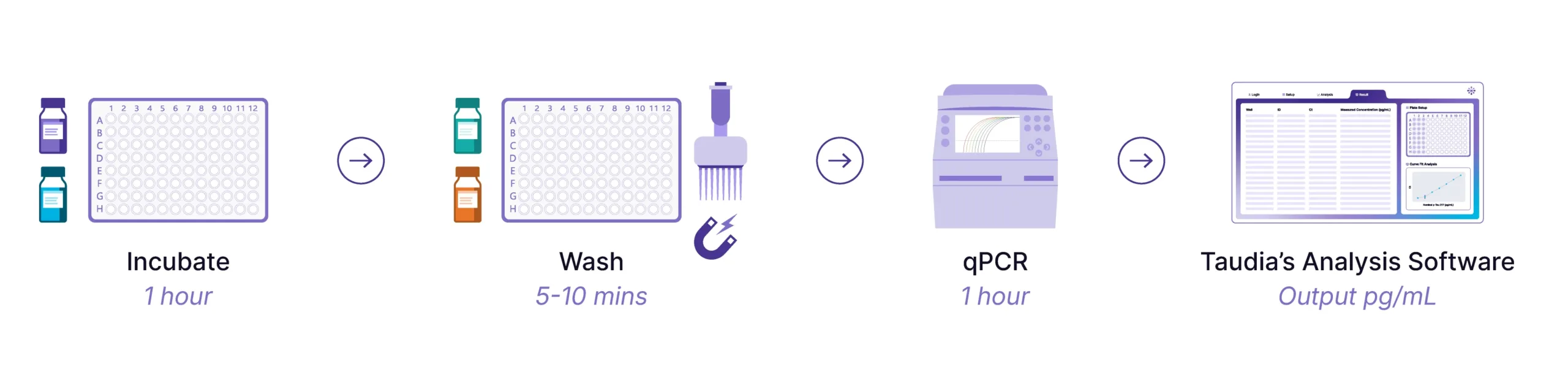
A simple solution for any bench. 4 hour turnaround time with less than 30 minutes of hands-on time
All you need to get started are pipettes, a magnetic rack, and a qPCR instrument. No specialized equipment required.
Learn More
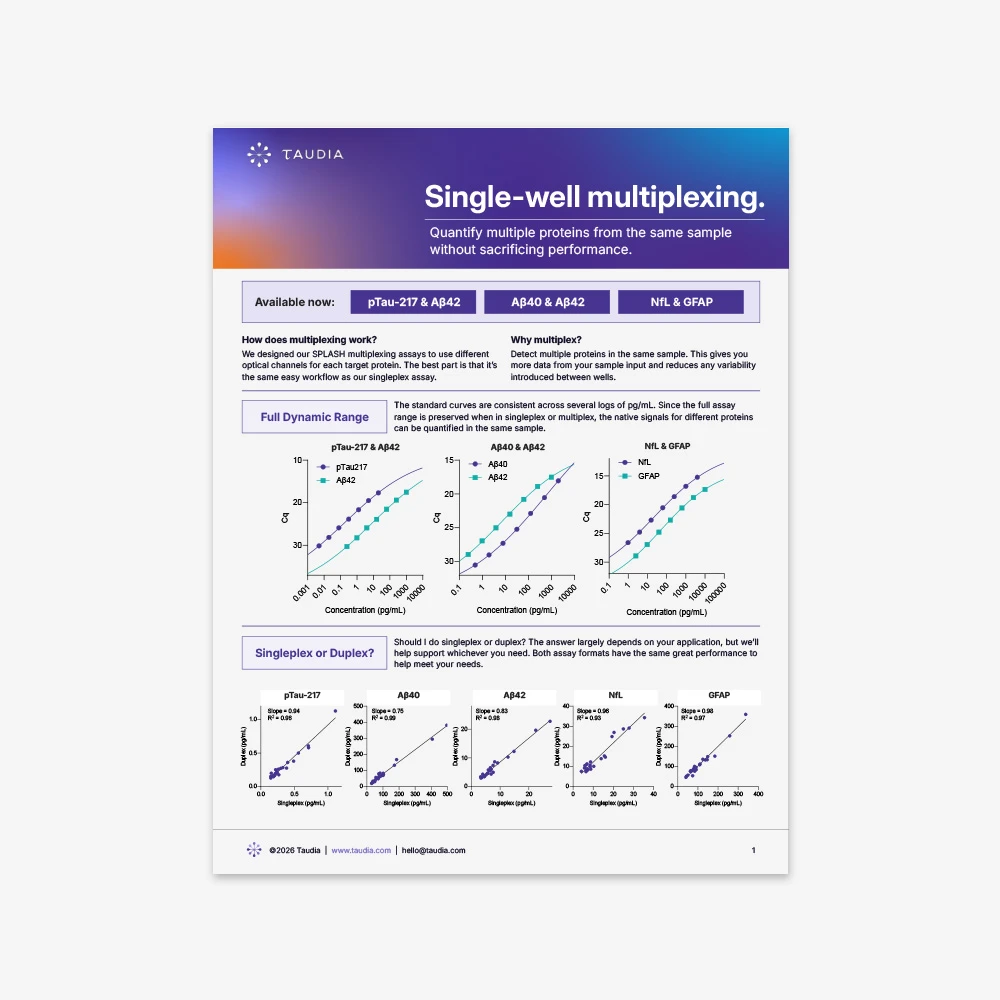
Single-well multiplexing: Quantify multiple proteins from the same sample without sacrificing performance.
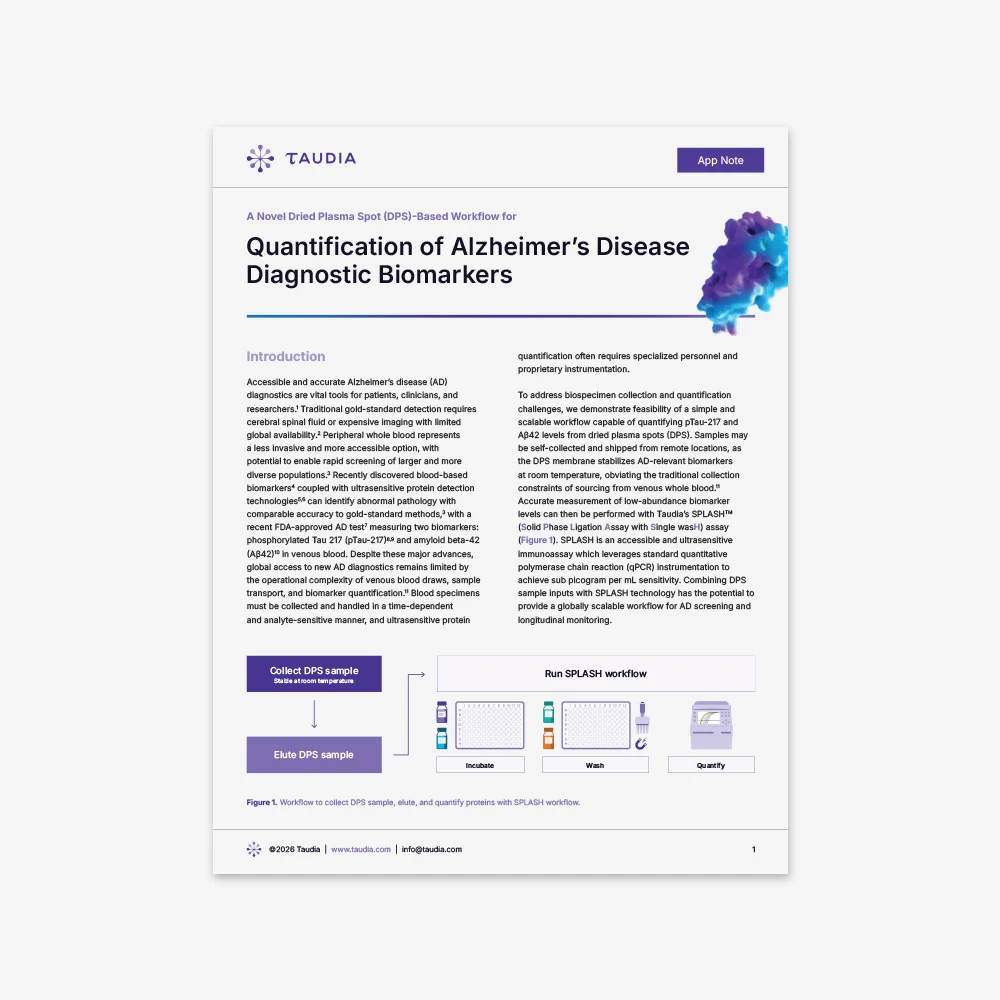
A Novel Dried Plasma Spot (DPS)-Based Workflow for Quantification of Alzheimer's Disease Diagnostic Biomarkers
FAQ
How is SPLASH different from a standard proximity ligation assay (PLA)?
Conventional PLA relies on oligo-conjugated antibodies alone. SPLASH™ adds a second binding moiety, biotin, onto one antibody in the probe pair. This lets the immunocomplex be physically captured on streptavidin-coated magnetic beads before quantification, rather than relying on ligation chemistry alone to generate signal. The result is more selective capture of the target and a cleaner separation from background before the sample ever reaches the qPCR instrument.
Why does SPLASH use a wash step instead of a no-wash chemistry?
Digital immunoassays and no-wash chemistries have driven real advances in ultrasensitive detection, but they can be prone to reagent complexity, run-to-run variability, and performance drift over time. SPLASH™ physically washes away unbound antibodies and interfering substances from the sample matrix before quantification, rather than managing interference through reagent design alone. This is also why SPLASH™ can report consistent results across studies and sites, since the same physical wash step is applied every run, regardless of instrument or operator.
Can SPLASH be automated, or is it a manual-only workflow?
Both. SPLASH™ can be run as a fully manual benchtop workflow, or scaled through NeuXplore™, Taudia’s automated sample-to-answer platform. On the automated system, a typical run processes up to 48 samples in under 4 hours. In addition, the benchtop workflow can be automated on liquid handlers since the steps are easy pipetting. The same three-step chemistry (incubate, wash, quantify) underlies both formats, so results are designed to be comparable whether a lab is running manually or at scale.
How sensitive is SPLASH, and how is that validated?
- SPLASH has demonstrated quantification of many assays (pTau-217, GFAP, NfL, and many others) down to femtogram-per-milliliter (fg/mL) concentrations, made possible by physically washing away background interference before quantification.
- The platform has clearly differentiated Alzheimer’s disease (AD)-positive from AD-negative patient samples in independent testing, with excellent spike-and-recovery performance, ensuring measurements stay accurate and reliable even in complex biological matrices.
- See our resource section to learn more.
How long does a SPLASH run take?
The bench-top workflow requires about 30 minutes of total hands-on time (sample prep and wash), and can be completed in under 4 hours (2 hour incubation and 1 hour qPCR read-out). With the automated NeuXplore™ workflow, setting up a run requires about 15 minutes of hands-on time, followed by 3-4 hours of unattended automated processing.
How does SPLASH compare to other ultrasensitive platforms?
Researchers evaluating biomarker assay platforms typically consider sensitivity, instrumentation requirements, workflow complexity, and cost per sample. While other platforms may excel in certain areas, they often require trade-offs elsewhere. SPLASH has a simple workflow and runs on a standard qPCR instrument, with no proprietary instrumentation needed. By working on the existing qPCR infrastructure, the cost to start and run the assay becomes much lower.
Which biomarkers are most important for Alzheimer's disease today?
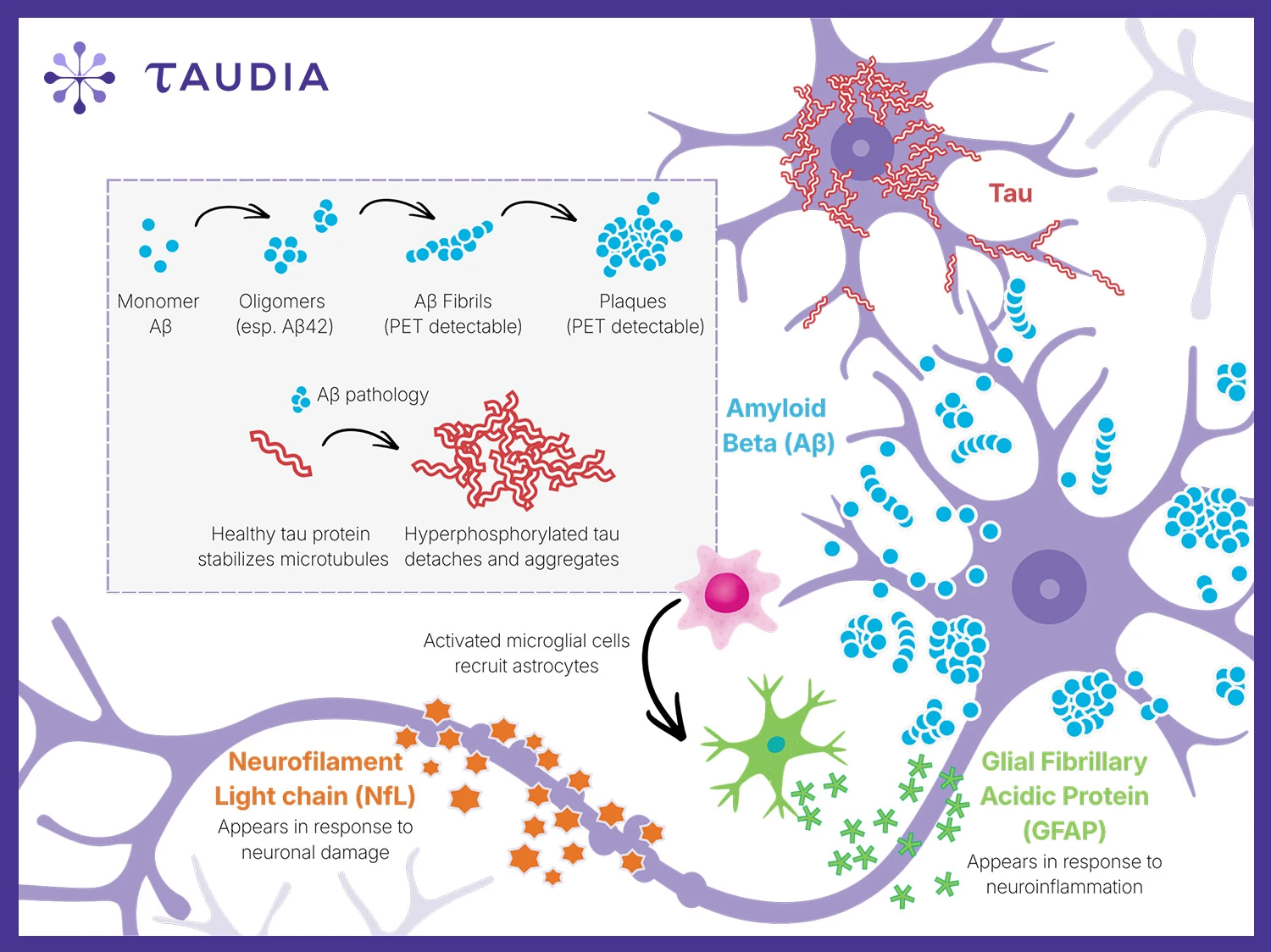
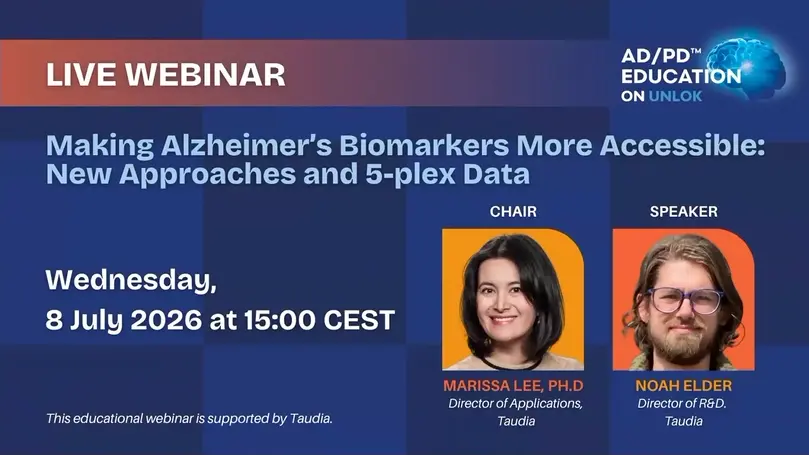
pTau-217, Aβ42, Aβ40, NfL, and GFAP are among the most widely studied blood-based biomarkers for Alzheimer’s disease. pTau-217 and the Aβ42/Aβ40 ratio are closely tied to amyloid pathology, while NfL reflects neuronal injury and GFAP reflects astrocytic activation, together offering a broader view of disease-related changes than any single marker alone. Newer markers like eMTBR-tau243 and brain-derived (BD) pTau-217 are exciting new biomarkers which may provide additional insights into disease state.
Why are biomarker panels more powerful than measuring a single biomarker?
Neurodegenerative disease involves multiple, overlapping biological processes. Measuring several biomarkers from the same sample, rather than one at a time, can offer a fuller picture of disease stage and progression, since different markers often become abnormal at different points in the disease course.
Are blood-based biomarkers a reliable way to test for Alzheimer's disease pathology?
Blood-based biomarker testing has advanced significantly and can now provide clinically meaningful insight into amyloid and tau pathology. It’s increasingly used alongside, and in some contexts as an accessible alternative to positron emission tomography (PET) imaging and cerebrospinal fluid (CSF) analysis, particularly for research, screening, and monitoring applications where routine access to those methods is limited.
Ready for higher accuracy, without the added complexity?
Let's talk about how SPLASH fits your workflow.
Manual bench-top workflow: roughly 2 hours to incubate, 5–10 minutes to wash and capture, and about 1 hour for qPCR read-out, for a total of around 4 hours with less than 30 minutes of hands-on time. Automated (NeuXplore™) workflow: about 15 minutes to set up a run, followed by 3–4 hours of unattended automated processing.
Manual bench-top workflow: roughly 2 hours to incubate, 5–10 minutes to wash and capture, and about 1 hour for qPCR read-out, for a total of around 4 hours with less than 30 minutes of hands-on time. Automated (NeuXplore™) workflow: about 15 minutes to set up a run, followed by 3–4 hours of unattended automated processing.