
Alzheimer's Disease Biomarker Testing Made Simple
Easily test for pTau-217, Aβ42, Aβ40, NfL, and GFAP from a simple blood draw using our ultrasensitive SPLASH™ kits.
Blood-based biomarkers are redefining Alzheimer’s disease diagnostics
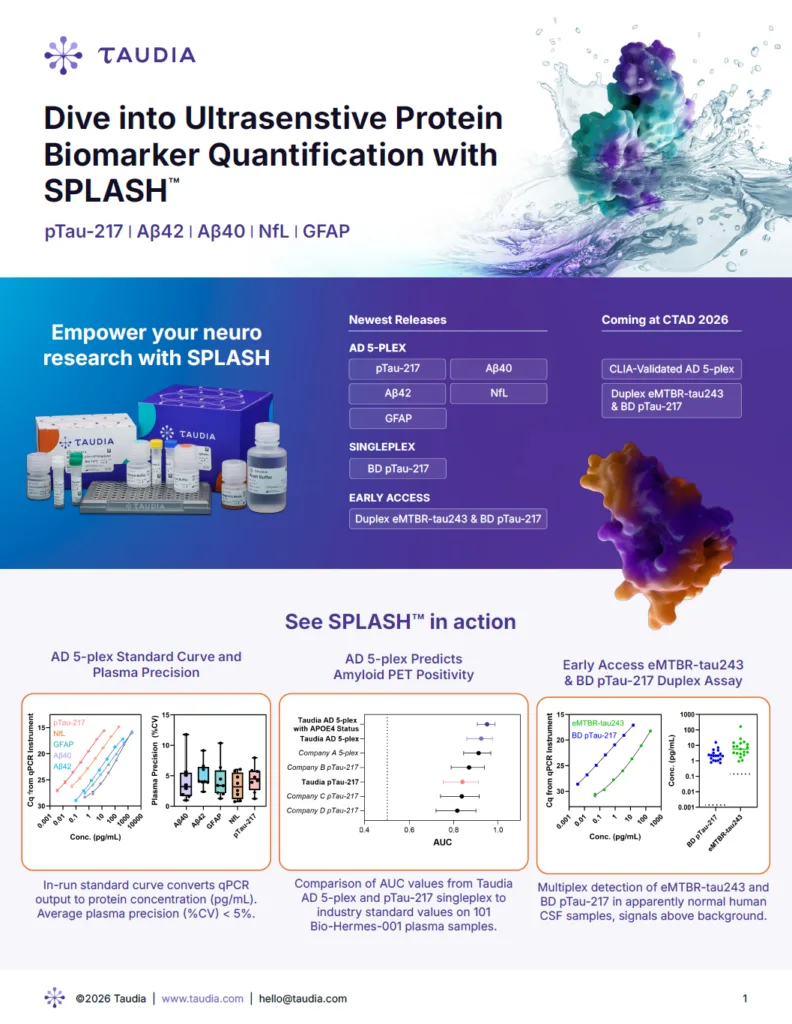
Recent advances in blood-based biomarkers are transforming Alzheimer’s diagnostics. The science has matured to a point where a simple blood test can provide clinically meaningful insight into amyloid and tau pathology, with performance validated against established platforms.
Our SPLASH™ platform, validated across dynamic range, signal-to-background, and dilution linearity, provides the ultrasensitive needed to quantify Alzheimer’s disease most relevant biomarkers in blood.
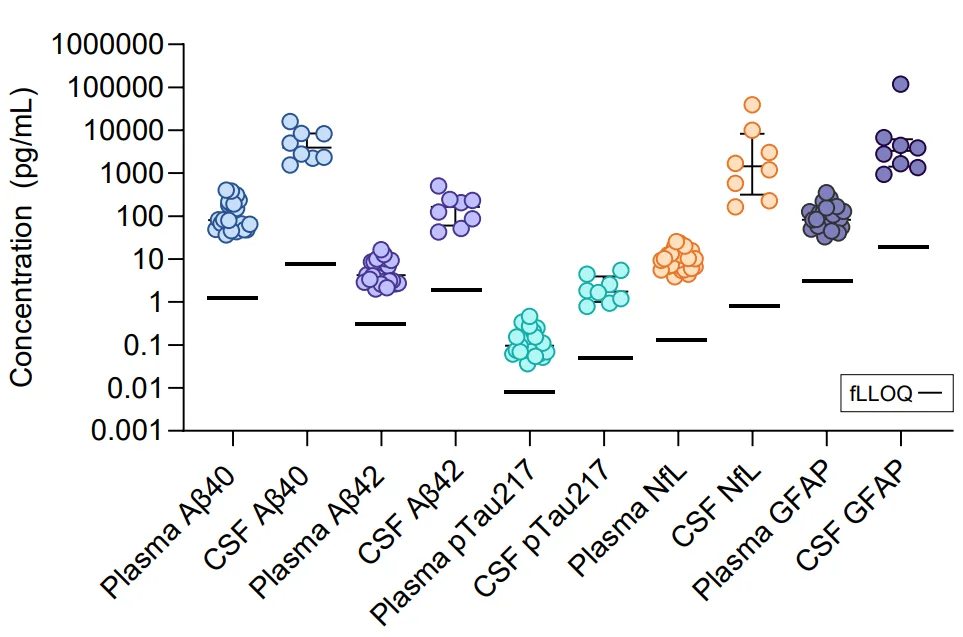
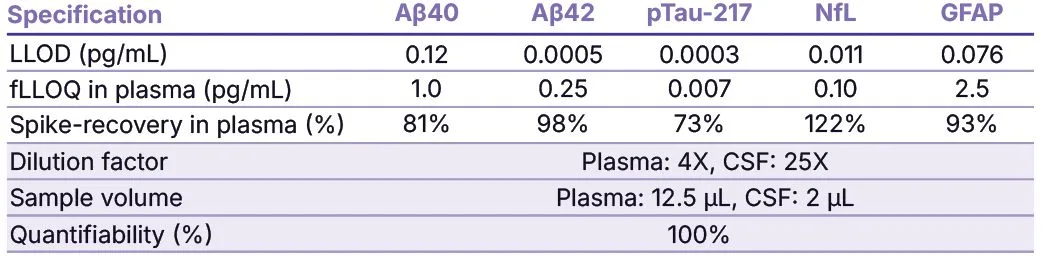
10–1,000X improvement over lower limit of detection
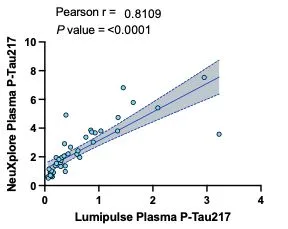
Performance benchmarked against Simoa®, Lumipulse, and other leading ultrasensitive platforms
Ultrasensitive quantification at pg/mL
Easily quantify blood-based protein biomarkers on standard qPCR instruments
Use your existing molecular workflow—or add a proven, cost-efficient qPCR system. SPLASH™ runs on the qPCR instruments already in many laboratories, enabling you to start testing immediately.
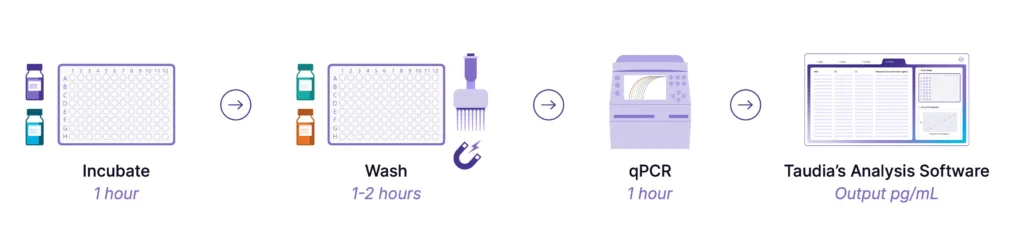
- Simple 3-step benchtop workflow (incubate, wash, qPCR)
- Less than 30 minutes of hands-on time
- Works on standard instruments, including QuantStudio 5/7/12, BioRad Opus, and Roche LightCycler
Getting started is easy. Order the kit(s) that best suit your needs, read the Quick Guide, watch the benchtop workflow video, and receive results in less than 4 hours with less than 30 minutes of hands-on time.
5-plex protein profiling from Alzheimer’s Disease using only 12.5 ul of plasma
SPLASH™’s 5-plex panel measures pTau-217, Aβ42, Aβ40, NfL, and GFAP together in one reaction, from just 12.5μL of plasma, a fraction of the volume required for singleplex testing.
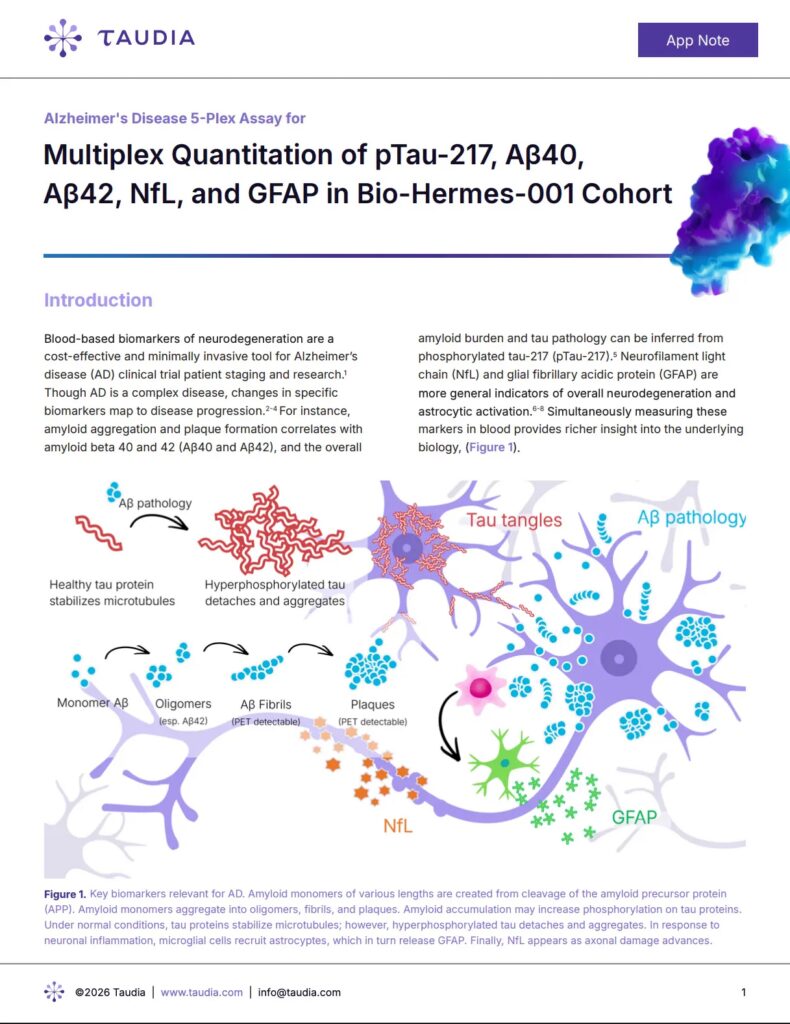
Download the application note to see how using 101 well-characterized samples from the Bio-Hermes-001 study, our multiplexed panel achieved an AUC of 0.919 for predicting amyloid PET status, all on a standard 96-well qPCR instrument
FAQ
Which biomarkers are most important for Alzheimer's disease today?
pTau-217, Aβ42, Aβ40, NfL, and GFAP are among the most widely studied blood-based biomarkers for Alzheimer’s disease. pTau-217 and the Aβ42/Aβ40 ratio are closely tied to amyloid and tau pathology, while NfL reflects neuronal injury and GFAP reflects astrocytic activation, together offering a broader view of disease-related changes than any single marker alone. Newer markers like eMTBR-tau243 and brain-derived (BD) pTau-217 are exciting new biomarkers which may provide additional insights into disease state.
Why are biomarker panels more powerful than measuring a single biomarker?
Neurodegenerative disease involves multiple, overlapping biological processes. Measuring several biomarkers from the same sample, rather than one at a time, can offer a fuller picture of disease stage and progression, since different markers often become abnormal at different points in the disease course.
Are blood-based biomarkers a reliable way to test for Alzheimer's disease pathology?
Blood-based biomarker testing has advanced significantly and can now provide clinically meaningful insight into amyloid and tau pathology. It’s increasingly used alongside, and in some contexts as an accessible alternative to positron emission tomography (PET) imaging and cerebrospinal fluid (CSF) analysis, particularly for research, screening, and monitoring applications where routine access to those methods is limited.
How do Alzheimer's disease biomarkers overlap with other neurodegenerative disorders?
Many biomarkers associated with Alzheimer’s disease are also relevant to other neurodegenerative conditions. Neurofilament light (NfL), for example, is a marker of neuronal injury that is elevated across Alzheimer’s disease (AD), Parkinson’s disease (PD), Amyotrophic Lateral Sclerosis (ALS), Traumatic Brain Injury (TBI), and Progressive Supranuclear Palsy (PSP). Glial fibrillary acidic protein (GFAP), which reflects astrocytic activation, has shown utility in multiple neurological contexts beyond Alzheimer’s. This overlap underscores why multiplex biomarker panels that quantify several analytes simultaneously can help researchers distinguish between conditions and better understand shared and distinct disease pathways.
How does the SPLASH™ assay address concerns about NfL truncation in Alzheimer's disease versus control samples?
The antibody pairs used in SPLASH™ NfL assays are selected to target stable, well-conserved regions of the NfL protein.
What is BD pTau-217 and how does it compare to pTau-217?
pTau-217 (phosphorylated tau) is one of the strongest biomarkers for Alzheimer’s disease, but non-brain sources of tau can confound the results. Brain-derived (BD) pTau-217 is a refined version of the pTau-217, specifically quantifying the isoform of tau originating from the central nervous system. In studies comparing pTau-217 with the brain-derived version, BD pTau-217 showed improved correlation with amyloid PET positivity, and was less affected by kidney dysfunction, another common source of interference. BD pTau-217 is an exciting next step, and it’s one of the newer biomarkers Taudia has developed for the SPLASH platform.
See the full menu of SPLASH protein biomarkers for Alzheimer’s and CNS diseases
From singleplex to five-plex, explore every configuration available for Alzheimer’s Disease biomarker quantification.