
Explore the Science Behind Simple Ultrasensitive Biomarker Quantitation
Our SPLASH™ (Solid Phase Ligation Assay with Single wasH) technology pairs an antibody probe with a single wash step and standard qPCR to deliver ultrasensitive, specific, and accurate results without specialized instrumentation.
SPLASH maximizes signal while minimizing background
Digital immunoassays and no-wash chemistries have driven real advances in neurodegenerative disease blood-based biomarker quantitation, but they often come with reagent complexity, run-to-run variability, and performance drift over time. SPLASH™ takes a different approach: by combining qPCR-based signal amplification with antibody-based targeting and a bead-based wash step, it maximizes signal while physically washing away background interference, delivering the sensitivity of specialized ultrasensitive platforms without requiring one.
Download the white paper to learn how our single-wash SPLASH platform transform Alzheimer’s diagnosis and accelerate therapeutic development
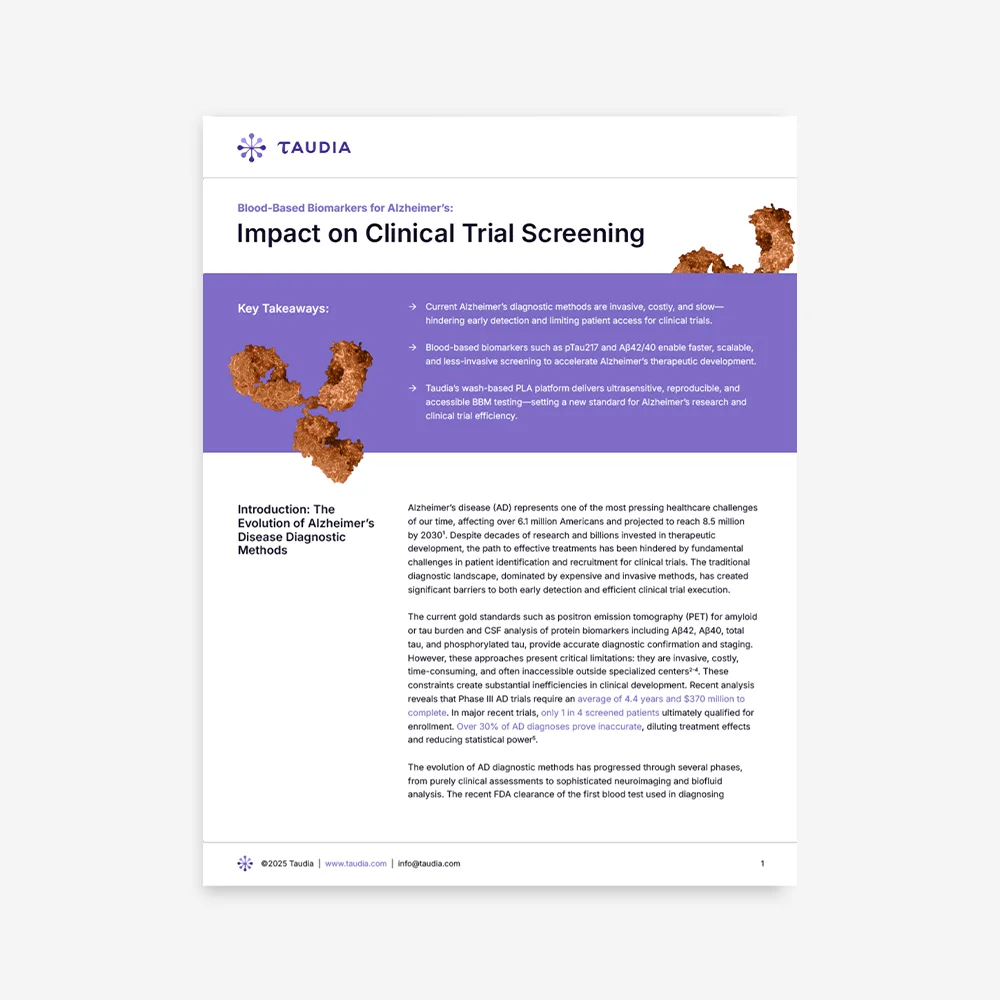
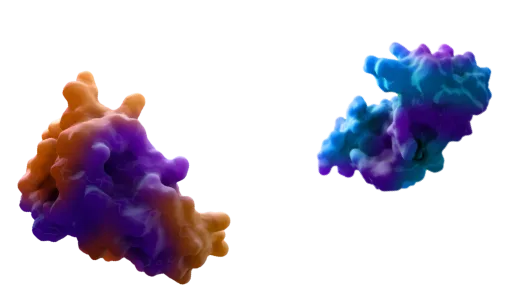
SPLASH is a highly specific, ultrasensitive, and scalable assay for protein biomarker quantification
Specific
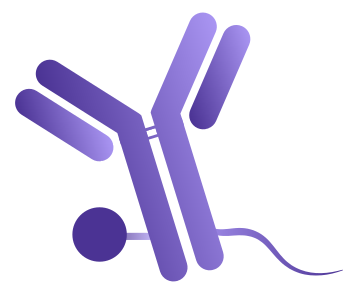
While conventional PLA utilizes oligo-conjugated antibodies, our SPLASH technology incorporates an additional binding moiety onto one antibody in the probe pair. This enables selective capture of the formed immunocomplex.
Ultrasensitive
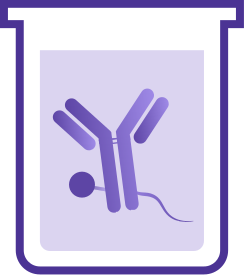
Unbound probes and interfering substances are washed away, while the immunocomplex is captured and quantified.

Scalable and Simple
Our highly scalable workflow can be fully automated or performed manually, requiring no additional instruments.
See how SPLASH technology works
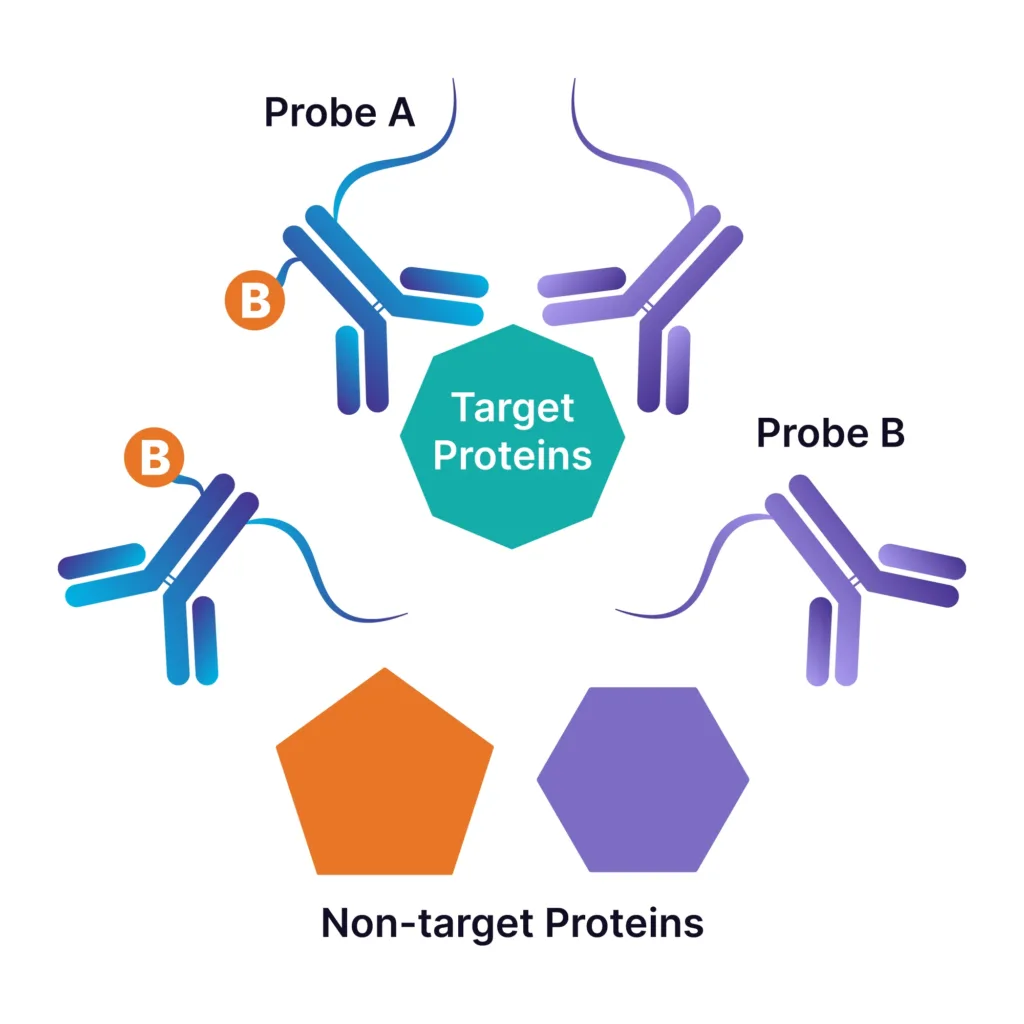
Antibody probes and target protein bind to form an immunocomplex
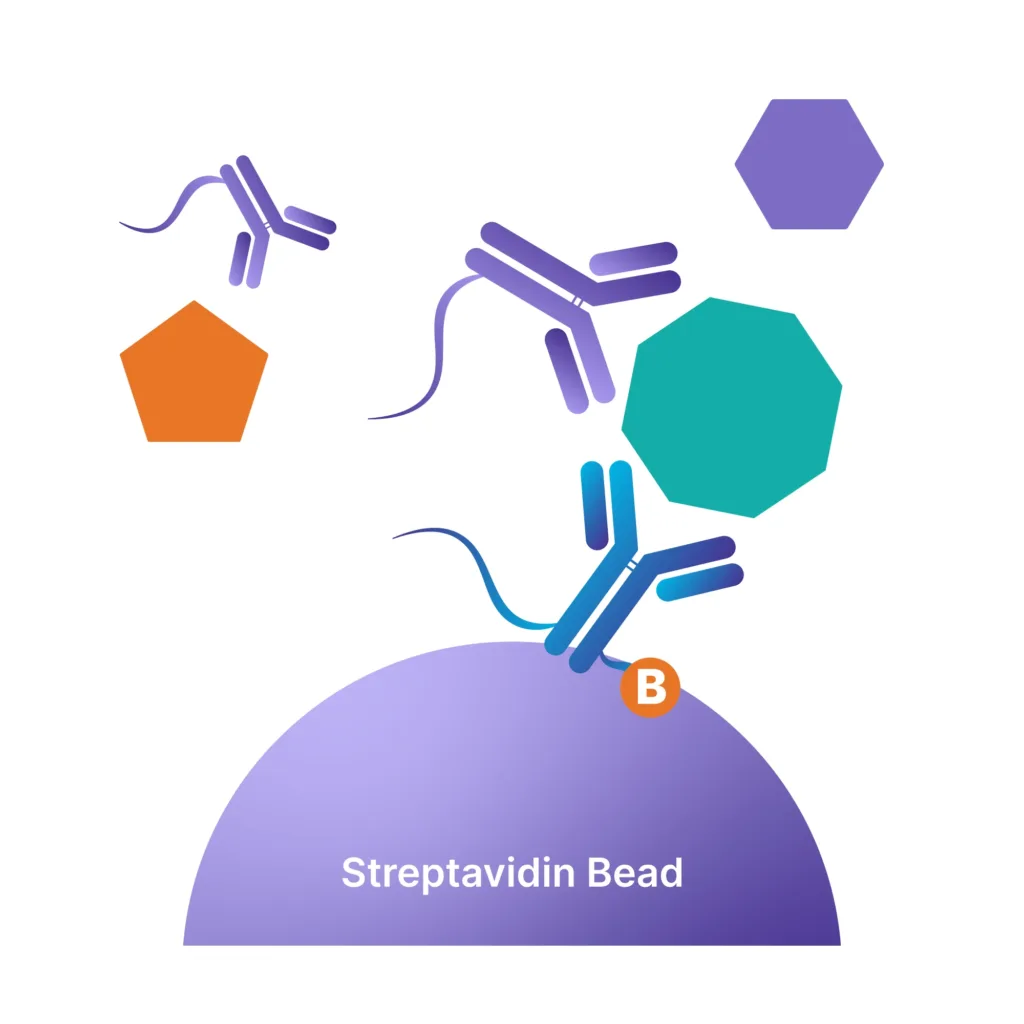
Immunocomplexes are captured via a biotin-streptavidin interaction
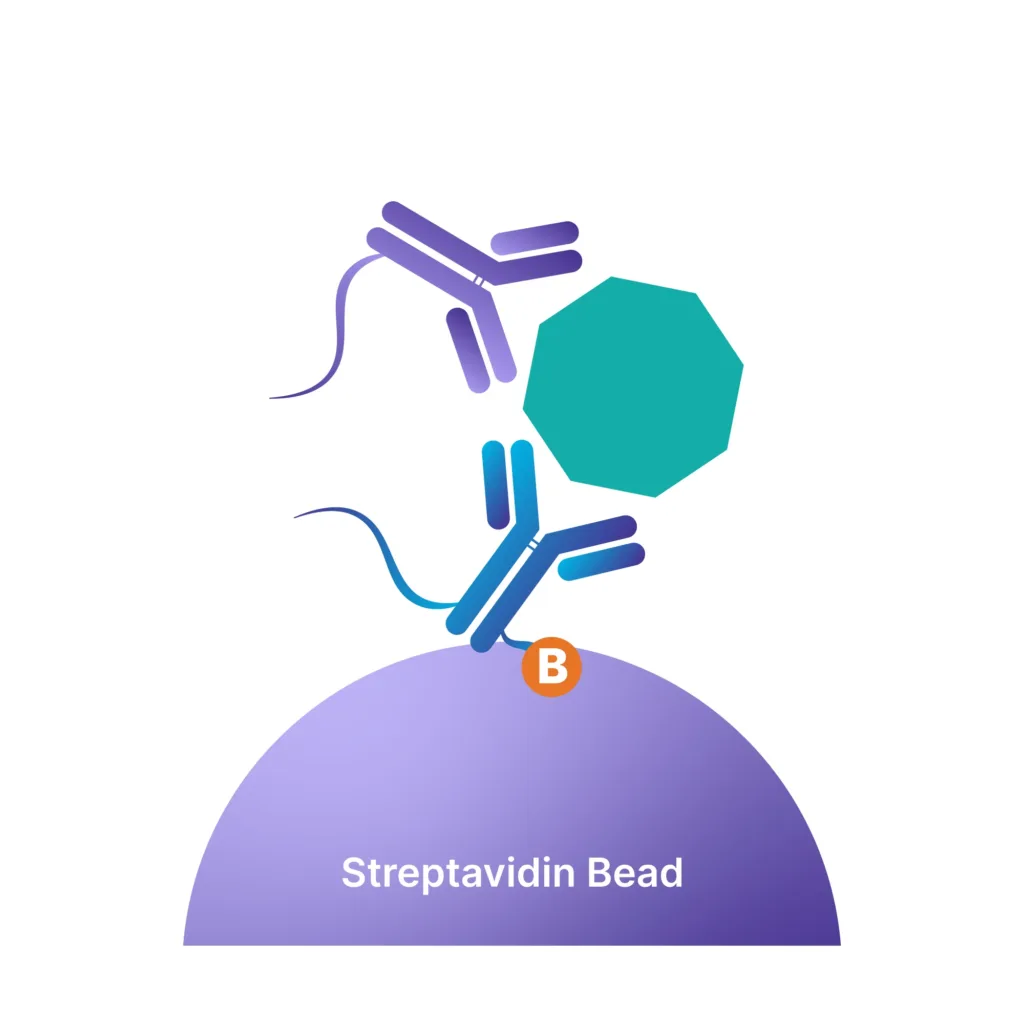
Unbound molecules from the sample matrix are washed away
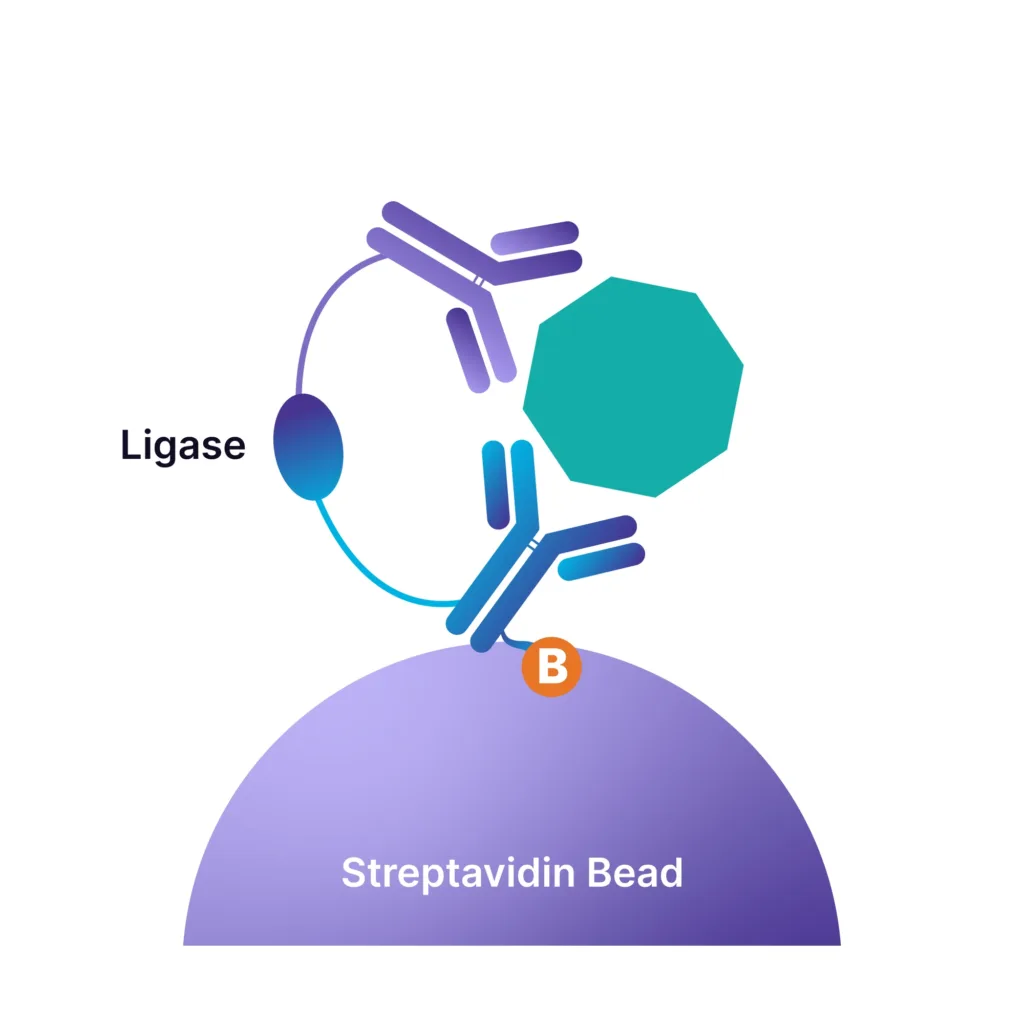
Two unique oligos on the antibody probes are ligated
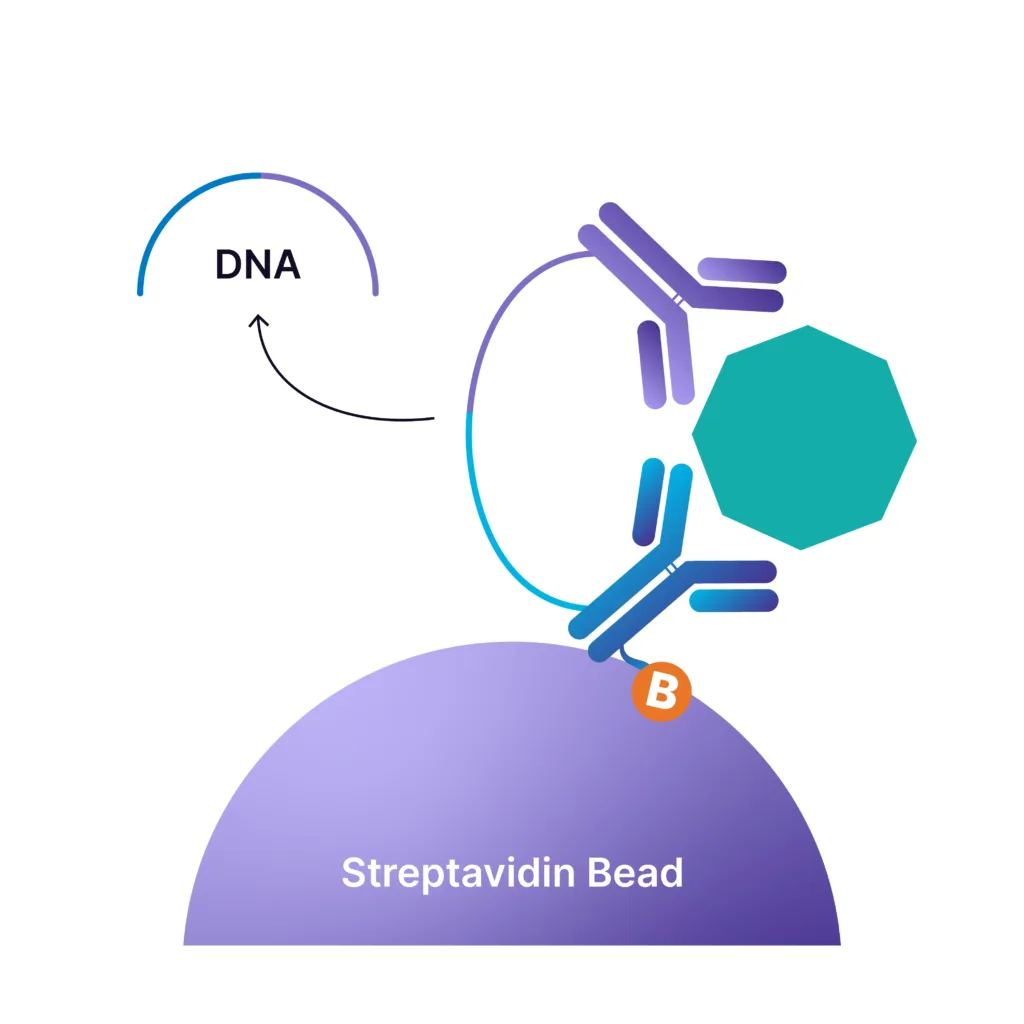
The ligation is inactivated and DNA is released
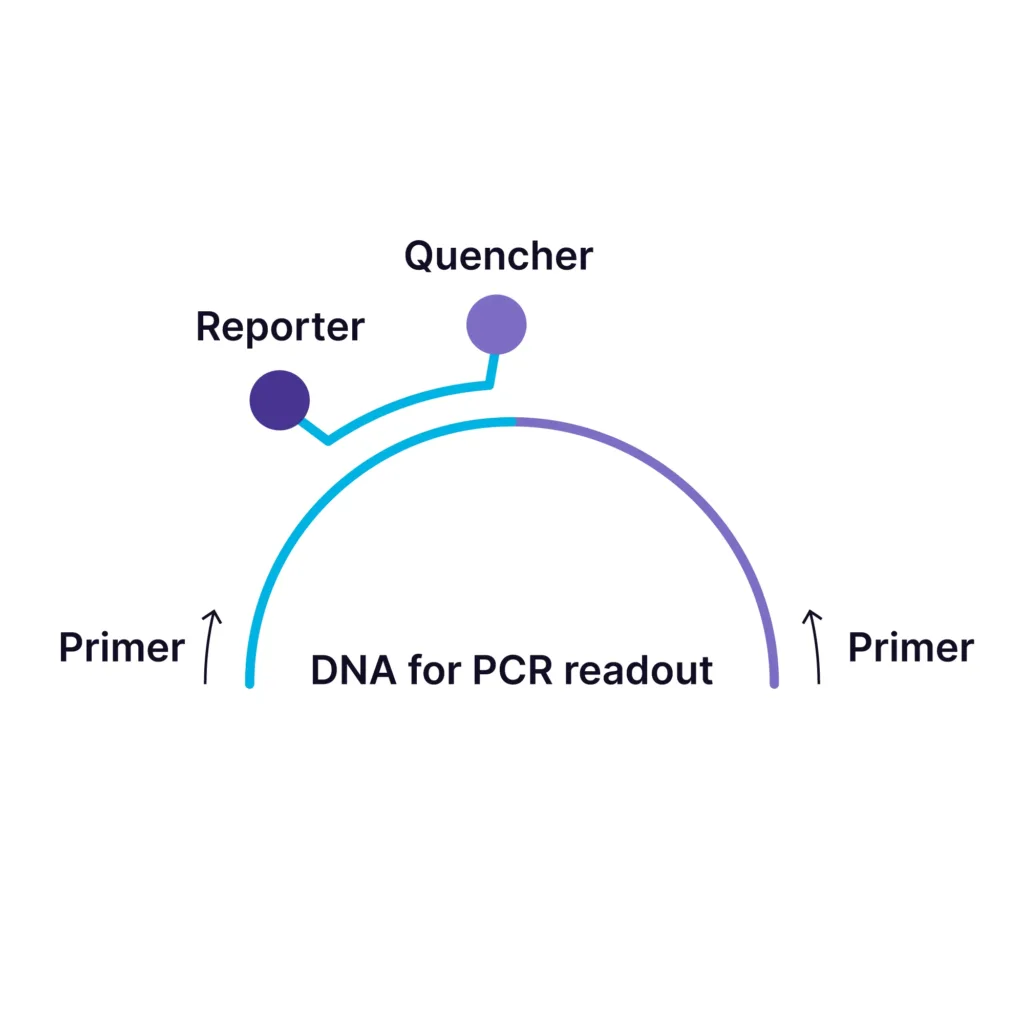
The DNA is quantified with qPCR
See our 2026 AD/PD posters
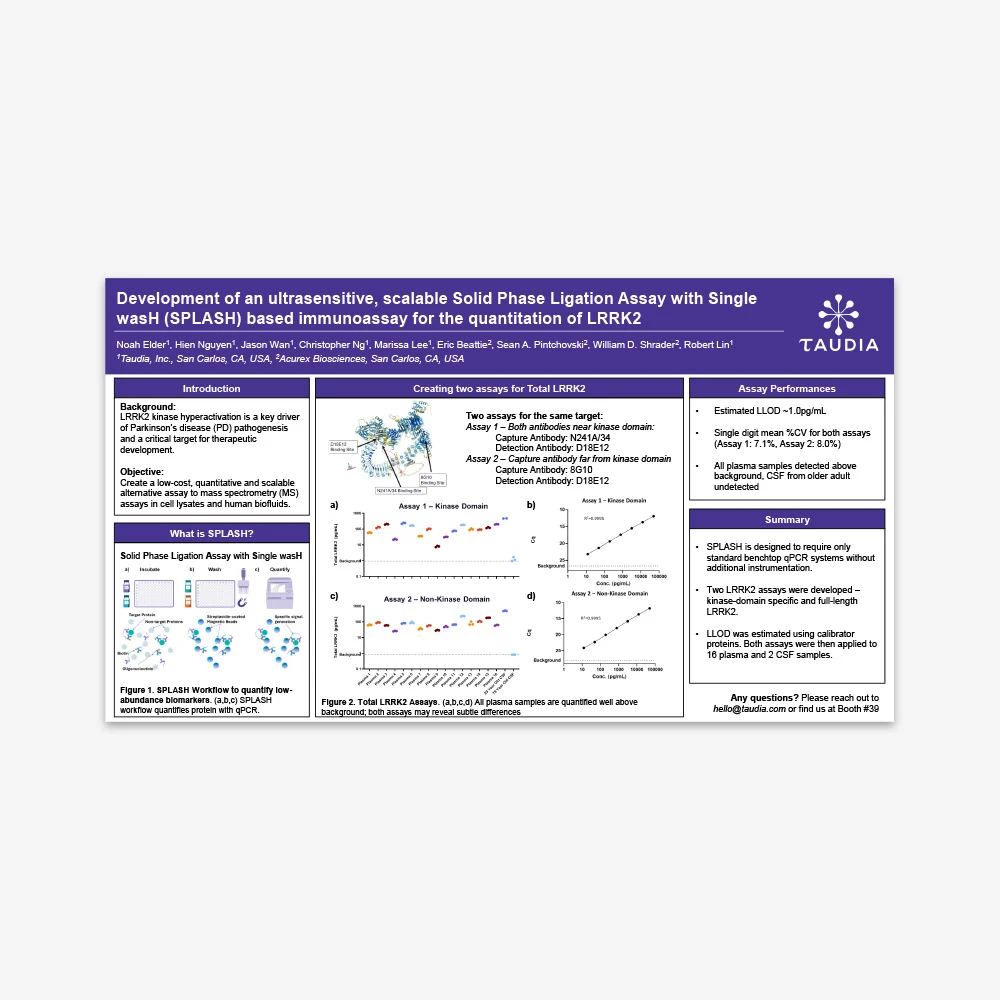
Development of an ultrasensitive, scalable Solid Phase Ligation Assay with Single wasH (SPLASH) based immunoassay for the quantitation of LRRK2
Presented at AD/PD 2026
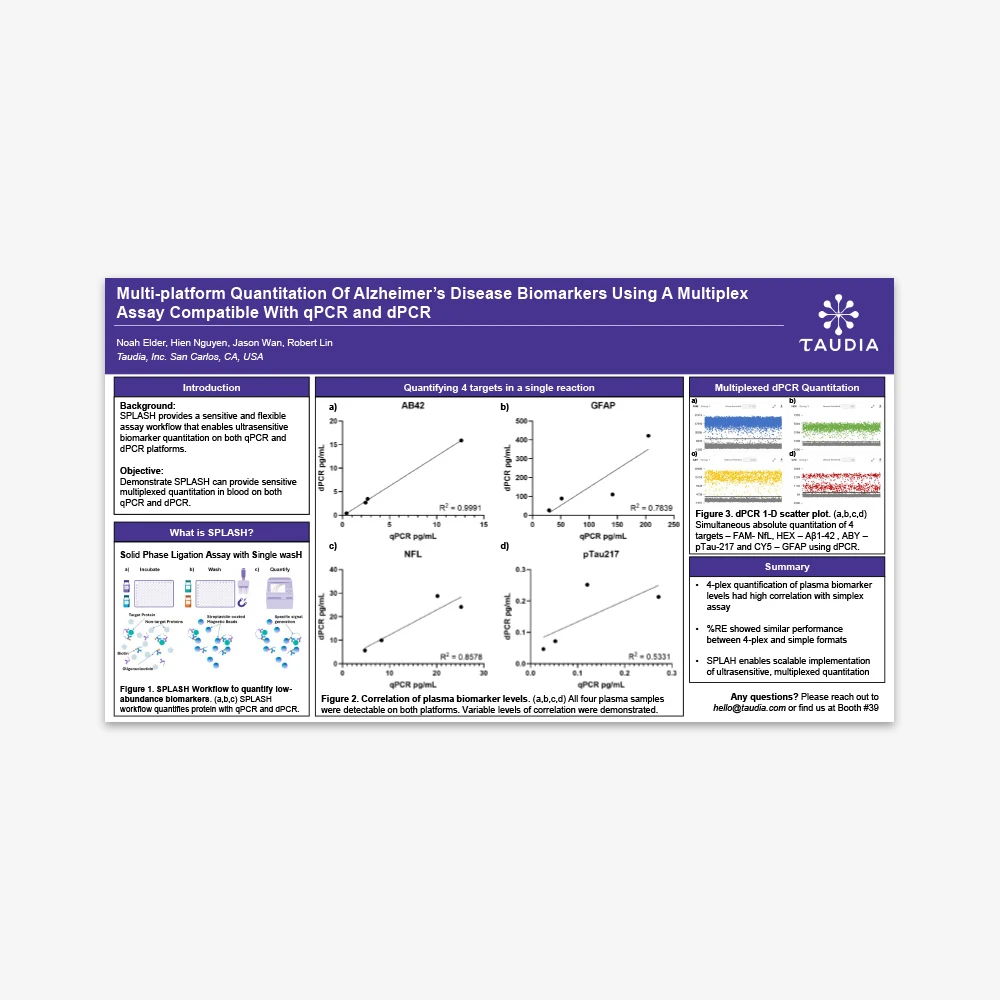
Multi-platform Quantitation Of Alzheimer’s Disease Biomarkers Using A Multiplex Assay Compatible With qPCR and dPCR
Presented at AD/PD 2026
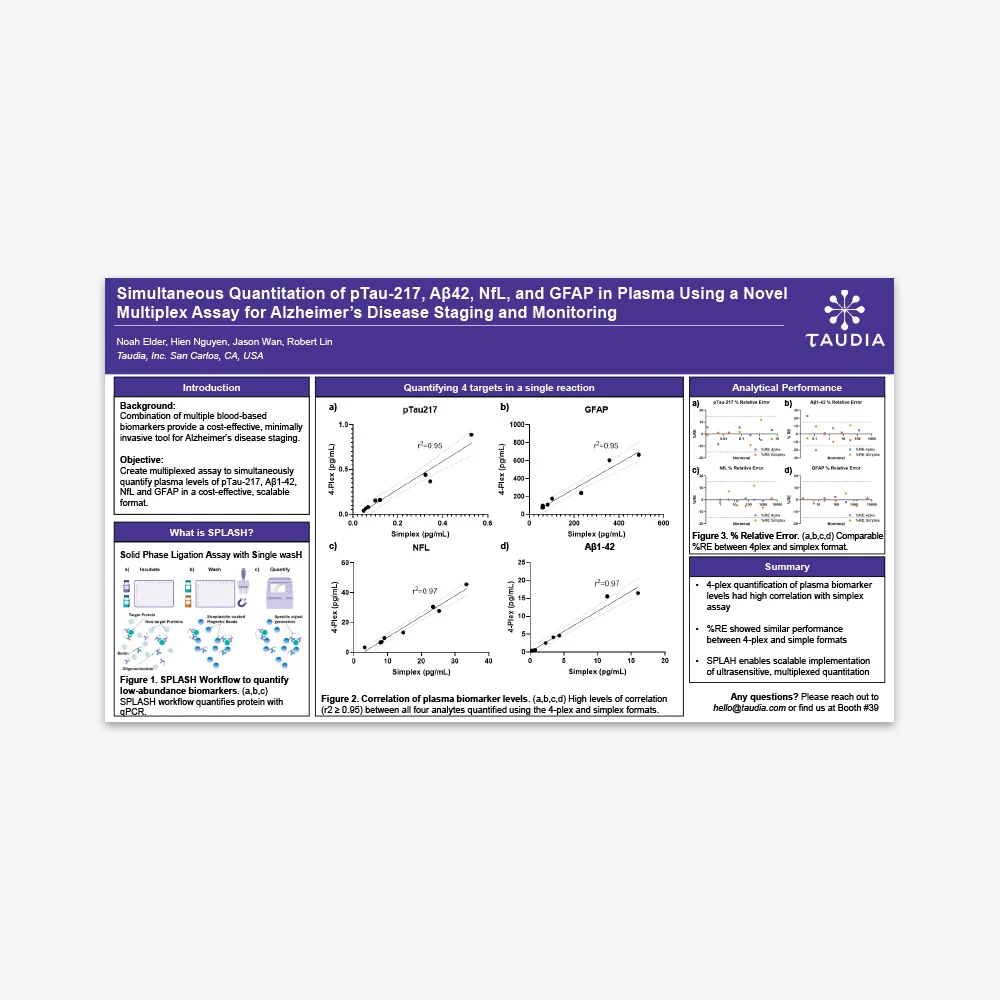
Simultaneous Quantitation of pTau-217, Aβ42, NfL, and GFAP in Plasma Using a Novel Multiplex Assay for Alzheimer’s Disease Staging and Monitoring
Presented at AD/PD 2026
FAQ
How is SPLASH™ different from a standard proximity ligation assay (PLA)?
Conventional PLA relies on oligo-conjugated antibodies alone. SPLASH™ adds a second binding moiety, biotin, onto one antibody in the probe pair. This lets the immunocomplex be physically captured on streptavidin-coated magnetic beads before quantification, rather than relying on ligation chemistry alone to generate signal. The result is more selective capture of the target and a cleaner separation from background before the sample ever reaches the qPCR instrument.
Why does SPLASH™ use a wash step instead of a no-wash chemistry?
Digital immunoassays and no-wash chemistries have driven real advances in ultrasensitive detection, but they can be prone to reagent complexity, run-to-run variability, and performance drift over time. SPLASH™ physically washes away unbound antibodies and interfering substances from the sample matrix before quantification, rather than managing interference through reagent design alone. This is also why SPLASH™ can report consistent results across studies and sites, since the same physical wash step is applied every run, regardless of instrument or operator.
How does SPLASH™ compare to other ultrasensitive platforms?
Researchers evaluating biomarker assay platforms typically consider sensitivity, instrumentation requirements, workflow complexity, and cost per sample. While other platforms may excel in certain areas, they often require trade-offs elsewhere. SPLASH has the simplest workflow and is the only ultrasensitive protein quantitation assay that does not need proprietary instrumentation. By working on the existing qPCR infrastructure, the cost to start and run the assay becomes much lower.
Can SPLASH™ be automated, or is it a manual-only workflow?
Both. SPLASH™ can be run as a fully manual benchtop workflow, or scaled through NeuXplore™, Taudia’s automated sample-to-answer platform. On the automated system, a typical run processes up to 48 samples in under 4 hours. The same three-step chemistry (incubate, wash, quantify) underlies both formats, so results are designed to be comparable whether a lab is running manually or at scale.
How sensitive is SPLASH™, and how is that validated?
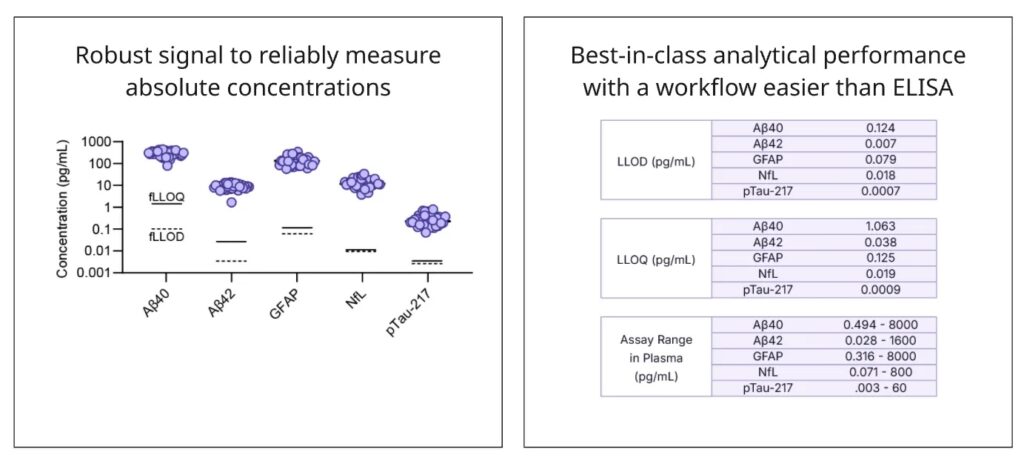
SPLASH™ has demonstrated quantification of many assays (pTau-217, GFAP, NfL, and many others) down to femtogram-per-milliliter (fg/mL) concentrations, made possible by physically washing away background interference before quantification.
The platform has clearly differentiated Alzheimer’s disease (AD)-positive from AD-negative patient samples in independent testing, with excellent spike-and-recovery performance, ensuring measurements stay accurate and reliable even in complex biological matrices.
How long does a SPLASH™ run take?
The bench-top workflow requires about 30 minutes of total hands-on time (sample prep and wash), and can be completed in under 4 hours (2 hour incubation and 1 hour qPCR read-out). With the automated NeuXplore™ workflow, setting up a run requires about 15 minutes of hands-on time, followed by 3-4 hours of unattended automated processing.
Can SPLASH™ technology quantify biomarkers using digital PCR (dPCR) as well as qPCR?
Yes. SPLASH assays have been demonstrated on both qPCR and dPCR readout platforms, giving researchers flexibility within their program.
What is the multiplex capacity of SPLASH™ technology?
SPLASH technology currently supports up to 5 to 6 biomarker targets in a single well, depending on the number of fluorescence channels available on the qPCR instrument. The 5-plex configuration measures pTau-217, Aβ42, Aβ40, NfL, and GFAP simultaneously. Singleplex and duplex kits are also available for labs that need focused, single-analyte or paired-biomarker quantitation.
What is qPCR and how can it do protein detection?
Quantitative PCR (qPCR) is an analytical technique to amplify a specific DNA sequence. At each amplification cycle, the DNA concentration increase is monitored with fluorescence. By comparing the fluoresence increase with an in-run standard curve, the starting concentration can be quantified. qPCR measures nucleic acids, and cannot directly detect proteins. Proximity ligation assays (like SPLASH) bridge the gap between qPCR and protein detection. First, the target protein is recognized by an antibody pairs. Each antibody is tagged with short DNA oligomers. When both antibodies bind to the target protein, the DNA oligmers are in proximity, and can be ligated into a single, amplifable DNA molecule. The amount of DNA is directly proportional to the antibody-bound protein, so that quantifying via qPCR can give a readout of protein concentration. The power of qPCR is that exponential amplification can detect even a small handful of starting molecules, allowing quantification down to the fg/mL level.
Ready to get started?
Talk to our team so we can help you find the right kit, walk through the data, or scope a custom assay.